
Fluency isn’t about speed — it’s about flexibility. When students truly understand how numbers come apart and go back together, the facts start to stick. Here are five routines I’ve used in second through fourth grade that build that flexibility without worksheets every day.
1. Start with a five-minute number talk. Put one problem on the board and ask for strategies, not answers. Students hear three or four ways to think about the same number, and the quiet kids get permission to try something new.
2. Make partner games the default practice. A single pair of dice and a recording sheet gives you differentiated practice for a whole table group. Rotate the game weekly so the routine stays familiar but the skill moves forward.
3. Keep a fluency folder. Students track their own growth on a simple chart. Progress they can see is far more motivating than a score in my gradebook.
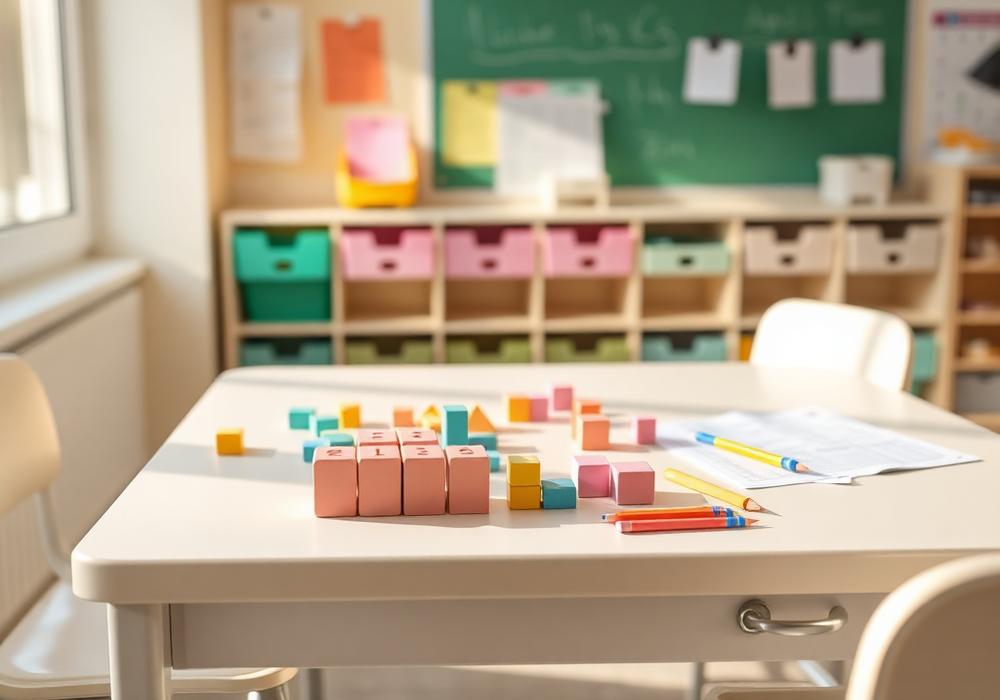
4. Use hands-on centers for the tricky skills. Counters, cubes, and cards let students test an idea and immediately see whether it worked. This is where misconceptions show up early — while they’re still easy to fix.
5. Celebrate strategy, not just accuracy. When I name a student’s thinking out loud, the whole class collects a new tool. That’s the moment fluency starts to grow on its own.
Pick one of these to try next week. One small routine, repeated consistently, will do more for your students than five new activities you can’t sustain.